
Capturing stunning images under the stars is exciting. But, dew and frost on your camera equipment can ruin your night. Moisture in the air can make your lens blurry and damage your gear.
It’s key to protect your camera from dew and frost for successful night photography. With the right steps, your gear stays safe, and your photos are sharp. We’ll show you how to keep your camera dry and frost-free, so you can enjoy the night sky’s beauty.
Understanding Dew and Frost Formation
Night photographers need to understand dew and frost to protect their gear and get clear shots. Dew happens when air cools to its dew point, making moisture condense on surfaces. This can mess up your photos or damage your equipment if not managed right.
What Causes Dew and Frost at Night?
Dew and frost come from surfaces cooling to the dew point of the air. At night, the earth loses heat fast, cooling the air near the ground. If this air cools to its dew point, moisture turns into dew. If it gets colder, it freezes into frost.
Key factors influencing dew and frost formation include:
- Clear skies allowing heat to escape
- Low wind speeds reducing air mixing
- High humidity providing more moisture
Environmental Factors Influencing Dew and Frost
Many environmental factors affect dew and frost. Knowing these can help you plan and avoid problems in your night photos.
| Factor | Influence on Dew/Frost |
|---|---|
| Humidity | Higher humidity increases the likelihood of dew or frost. |
| Temperature | Lower temperatures increase the risk of frost. |
| Wind Speed | Lower wind speeds allow for more significant temperature drops. |
The Role of Humidity in Night Shoots
Humidity is key in dew and frost. High humidity means more moisture in the air, which can turn to dew or frost on your gear when it gets cold. Watching humidity can help you get ready for moisture problems during night shoots.
Timing Your Night Shoot to Avoid Dew
Timing is key when planning a night shoot to avoid dew and frost on your gear. Knowing how to time your shoot is crucial. This way, your camera lenses and other equipment stay dry, ensuring your photos are top-notch.
Best Times to Start Your Shoot
The best times to start a night shoot depend on your location, the season, and the weather. It’s best to start before the temperature drops too much. This is when dew and frost are most likely to form. Early evening or late afternoon are great times to start, capturing the day-to-night transition.
- Monitor weather forecasts to predict temperature changes.
- Consider the time of year and how it affects dew and frost formation.
- Choose a location that is less prone to moisture accumulation.
Monitoring Temperature Changes
Keeping an eye on temperature changes is vital for a successful night shoot. A big drop in temperature can cause dew and frost, damaging your gear and image quality. Use a thermometer or weather app to stay updated on temperature changes.
Watch the dew point closely. It’s key to know when dew will form. When the air temperature cools to its dew point, moisture in the air condenses, forming dew.
Using Weather Apps for Planning
Weather apps are great for planning your night shoot. They give you detailed forecasts, including temperature, humidity, and wind speed. This helps you decide the best time to start your shoot. Look for apps with hourly forecasts and dew point information to plan well.
- Download a reliable weather app that provides detailed forecasts.
- Use the app to monitor temperature and dew point changes.
- Plan your shoot according to the forecast to minimize the risk of dew and frost.
Choosing the Right Location for Your Shoot
When planning a night shoot, picking the right location is key. The area’s geography, like elevation and distance to water, affects the climate and humidity. These factors can impact dew and frost on your camera.
How Geography Affects Dew and Frost
Geography is crucial in determining dew and frost risks. Places near water are usually more humid, raising dew chances. Low spots are more likely to freeze because cold air settles there.
- Elevation: Higher places are cooler and drier, lowering dew risk.
- Proximity to Water: Being close to lakes, rivers, or oceans means more humidity and dew.
- Vegetation: Dense plants can hold moisture, leading to dew.
Avoiding Low-Lying Areas
Low areas are more likely to freeze because cold air settles there. Staying away from these spots can lower frost risk on your gear.
Opt for higher grounds or slopes where cold air can move away. This can greatly reduce frost risk during your shoot.
Selecting Open vs. Covered Spaces
Choosing between open and covered areas depends on your shoot’s needs. Open spaces get better airflow, which helps prevent dew. Yet, they might expose your gear to wind and other elements.
Covered spots, like gazebos or under trees, protect from the elements but can trap moisture, increasing dew risk.
Key Considerations:
- Understand the local geography and climate.
- Find locations that reduce moisture exposure.
- Consider the balance between protection and moisture trapping.
Protecting Your Camera Gear from Moisture
When shooting at night, it’s key to keep your camera gear dry. Moisture can cause dew and frost on your lenses and equipment. This can ruin your photoshoot.
Essential Gear for Night Shoots
Choosing the right gear is the first step in protecting your camera. For night photography, use a weather-sealed camera body and lenses. This helps prevent moisture damage. Also, carry a lens cleaning kit and microfiber cloths to keep your gear clean.
How to Use Lens Wipes Effectively
Lens wipes are vital for night photography. To clean your lens, wipe it in a circular motion. Start from the center and move outward. This method prevents streaks and keeps your lens clean. Use lens wipes made for camera lenses to avoid damaging the coatings.
Storing Gear in Weather-Resistant Bags
Store your camera gear in weather-resistant bags when not in use. Look for bags with waterproof materials and sealed seams. Silica gel packets inside the bag can absorb moisture.
| Protection Method | Description | Benefits |
|---|---|---|
| Weather-Sealed Camera Bodies | Camera bodies designed to resist moisture | Reduces risk of moisture damage |
| Lens Cleaning Kit | Kit containing lens wipes and cleaning solution | Helps maintain clean lenses during shoots |
| Weather-Resistant Bags | Bags made from waterproof materials | Protects gear from moisture when not in use |
Using Covers and Tarps
Using the right covers and tarps can make a big difference. They help prevent dew and frost from ruining your night photography. It’s crucial to keep your camera gear safe from the elements when capturing the night sky.
Selecting Effective Covers
Choosing the right cover for your camera equipment is key. Look for covers made from waterproof and breathable materials like nylon or polyester. These materials prevent moisture from building up on your gear while letting any trapped moisture escape.
- Waterproof camera covers
- Breathable lens pouches
- Moisture-resistant bags
Technique for Covering Equipment
When covering your equipment, be gentle to avoid touching the lenses or other sensitive parts. Use a cover that fits snugly over your gear. Secure it with straps or elastic bands if needed.
- Cover your camera and lenses when not in use
- Use a lens hood to reduce dew and frost accumulation
- Keep your gear covered during transportation
Benefits of Using Tarps Strategically
Tarps can be used to create a makeshift shelter or to cover your entire camera setup. This is very useful in extreme weather. By using tarps strategically, you can protect your gear from dew, frost, and even snow.
Key benefits:
- Protection from extreme weather
- Reduced risk of dew and frost accumulation
- Enhanced camera gear longevity
Timing Your Equipment Setup
To avoid dew and frost on your camera lenses, timing is everything. Setting up too fast can cause condensation. This happens because of the sudden temperature change.
It’s important to let your camera gear adjust to the temperature. This process, called “temperature acclimation,” stops moisture from forming. Set up your gear at least 30 minutes before shooting to allow for adjustment.
Allowing Gear to Adjust to Ambient Temperature
When your camera equipment meets a new environment, it needs time to adjust. This is crucial during night shoots when temperatures drop a lot.
| Equipment | Acclimation Time | Benefits |
|---|---|---|
| Camera Body | 30 minutes | Reduces condensation risk |
| Lenses | 30-60 minutes | Prevents fogging |
| Tripod | 15-30 minutes | Ensures stability |
Learning the Effects of Quick Temperature Changes
Quick temperature changes can harm your camera equipment. A sudden drop can cause dew or frost on lenses. A rapid rise can lead to condensation inside the camera.
Tips to Minimize Temperature-Related Issues:
- Use a camera cover or tarp to protect your gear from extreme temperatures.
- Keep your equipment in a weather-resistant bag when not in use.
- Monitor the temperature changes throughout your shoot and adjust your equipment as needed.
Using Propane or Ethanol Heaters
At night, using propane or ethanol heaters can help stop dew and frost on your camera gear. These heaters work well in humid or cold places where moisture builds up on equipment.
Safety Guidelines for Using Heat Sources
Propane or ethanol heaters are useful, but safety is key. Always put heaters on stable, heat-resistant surfaces. Keep them away from flammable stuff or sensitive gear. Never leave heaters unattended and turn them off when not using.
Also, watch the heater’s fuel level and have a spare canister ready. This way, you won’t run out of fuel during a shoot. Check local laws about using portable heaters too.
Positioning Heaters Appropriately
Where you put heaters matters a lot. Place them so they warm the air around your gear without direct heat. This indirect heating prevents sudden temperature changes that could harm your gear.
For best results, put heaters a few feet from your equipment. This lets warm air circulate gently around your gear. It stops dew and frost from forming.
Benefits of Heating Surroundings Slightly
Warming the area around your gear a bit can really help. It keeps moisture from condensing. This method is great in humid places where dew and frost build up fast.
Also, warming the area a bit lowers the chance of gear problems from cold. It’s a simple but effective way to protect your camera gear at night.
Experimenting with Timing in Photography
The right timing can make your night photos stand out. Learning to use timing can help you get the perfect shot, even when it’s wet or frosty.
Long Exposures vs. Short Exposures
In night photography, the exposure time matters a lot. Long exposures let in more light, showing details in shadows and making images balanced. But, they can cause condensation problems if not handled right. Short exposures are faster and might avoid dew or frost issues, but they might miss some scene details.
Try different exposure times to find the best for your night photos. Always check your camera settings and adjust them based on the weather.
Understanding How Exposure Affects Condensation
Exposure time can affect if dew or frost forms on your lens. Longer exposures mean your camera is on longer, cooling the lens and raising dew or frost risk. Knowing this can help you plan and prevent condensation.
Choose a camera that does well in low light and adjust your exposure settings for the weather. This can help reduce condensation problems.
Techniques for Capturing Dew or Frost Creatively
Dew and frost can make your night photos more interesting. By capturing these, you can show the beauty of nature in a unique way. Using a macro lens to get close to dew drops or frost patterns can add an artistic touch.
Try different angles and lighting setups to make dew or frost stand out in your photos. Don’t be shy to experiment and see how these elements can change your night photography.
Cleaning Lenses Before and After Shoots
Keeping your camera lens clean is key for top-notch photos, even at night. Dew and frost can mess with your lens’s clarity. But, cleaning it regularly can help a lot. We’ll look at easy ways to clean your lens and why it’s vital for good photos in the dark.
Simple Techniques for Cleaning
To keep your camera lens in top shape, just follow these easy steps:
- Use a soft-bristled brush or compressed air to remove loose debris from the lens.
- Moisten a microfiber cloth with a bit of lens cleaning solution. Don’t use regular household cleaners, as they can harm the lens.
- Wipe the lens in a circular motion, starting from the center. This prevents streaks and ensures a clean finish.
- Check the lens for any smudges or spots and clean it again if needed.
Tip: Be gentle with your lens cleaning cloth and solution to avoid contamination.
Importance of Clear Glass in Low Light
A clean lens is crucial in low light, as dirt can ruin your photos. A clear lens lets your camera grab more light, making your photos sharper and clearer.
| Condition | Impact on Image Quality | Cleaning Importance |
|---|---|---|
| Clean Lens | High-quality images with good contrast and clarity | Essential for maintaining optimal image quality |
| Smudged or Dirty Lens | Reduced image quality with potential for flare, ghosting, or loss of detail | Critical to clean before shooting to prevent image degradation |
Regular lens cleaning is a simple habit to adopt and can significantly enhance your night photography results.
Post-Shoot Care for Your Equipment
Proper care after a shoot is key to keeping your photography gear in top shape. After a night shoot, your equipment might face moisture, cold, and impacts. Taking care of it right can prevent damage and extend its life.
Drying Equipment Efficiently
To dry your gear well, start by wiping your camera and lenses with a soft, dry cloth. This removes moisture and debris from the shoot. For deeper drying, use a desiccant or silica gel in your cases to soak up moisture.
Checking for Moisture Accumulation
Check your gear often for moisture signs like foggy lenses or damp bodies. If you see moisture, dry it right away. Use dry air or a drying tool for tight spots.
Steps to Enhance Longevity of Your Gear
To make your gear last longer, follow these steps:
| Maintenance Task | Frequency | Benefits |
|---|---|---|
| Clean lenses and filters | After each use | Prevents damage from debris and moisture |
| Check and replace desiccants | Every 3 months | Maintains dry environment for equipment |
| Inspect equipment for damage | After each use | Identifies potential issues early |
By following these steps and watching your gear’s condition, you can keep it working well for many years.
Learning from Experience
To get better at night photography, it’s key to look back at your past shoots. You should figure out what went right and what didn’t. This helps you fine-tune your approach for the next time.
Analyzing Night Shoot Outcomes
After every night shoot, take a close look at your photos. Spot the good shots and the ones that didn’t quite make it. Think about the time of night, the weather, and your camera settings. This will show you where you can do better next time.
Key aspects to analyze include:
- Image quality and clarity
- Composition and framing
- Camera settings and their impact on the outcome
- Environmental factors such as weather and lighting
Keeping a Night Shooting Journal
Keeping a journal of your night shoots is super helpful. Write down the date, time, location, weather, and camera settings for each shoot. Note what went right and what didn’t. This journal will help you see how you’ve improved over time.
Adjusting Techniques Based on Weather Patterns
Weather is a big deal in night photography. Knowing how different weather affects your shots helps you plan better. For instance, clear skies are great for star photos, while fog can add a cool effect. Adjusting your approach to match the weather can lead to amazing photos.
Consider the following when adjusting your techniques:
- Humidity and its impact on dew and frost formation
- Temperature fluctuations and their effect on camera equipment
- Cloud cover and its influence on light pollution and star visibility
Capturing stunning images during night photography sessions is more than just having a good camera. It also means knowing how to protect your gear from the weather.
Moisture accumulation on camera lenses and equipment can ruin your photos. So, it’s key to learn how to prevent frost and protect your camera.
Knowing why dew and frost form helps you avoid their effects on your night shoots. Use the right photography equipment care and follow outdoor photography tips.
With the right night photography tips, you can have successful shoots. And you’ll get to capture amazing photos.
Understanding Dew and Frost Formation
Knowing how dew and frost form is key for night photographers to keep their gear safe. Dew and frost can ruin your night photos. When the air cools down, moisture in the air turns into dew or frost on surfaces.
Dew forms when the air hits its dew point. This is when the air is full of moisture and can’t hold any more water vapor. At this point, the water vapor turns into droplets on surfaces. Frost happens when the air gets colder than freezing, turning water vapor into ice crystals.
What Causes Dew and Frost at Night
Several things cause dew and frost at night. The main reason is the air cooling down. When the sun sets, the earth loses heat fast, cooling the air near the ground. If the air is humid, this cooling can make the air reach its dew point, leading to dew or frost.
Environmental Factors Influencing Dew and Frost
Many environmental factors can affect dew and frost. These include:
- Humidity levels: Higher humidity means more dew or frost.
- Air temperature: Temperatures at or below the dew point can lead to dew or frost.
- Wind: Still conditions help dew or frost form more easily.
- Surface type: Different surfaces cool at different rates, affecting dew or frost formation.
| Environmental Factor | Effect on Dew/Frost Formation |
|---|---|
| High Humidity | Increases likelihood of dew/frost |
| Low Temperature | Causes dew/frost to form |
| Calm Wind Conditions | Allows dew/frost to settle |
The Role of Humidity in Night Shoots
Humidity is very important in night photography, affecting dew and frost. High humidity can make dew or frost more noticeable, which can be tough for photographers. Knowing the humidity can help you prepare and protect your gear.
By understanding dew and frost formation, you can reduce their impact on your night photos. This includes picking the right spot, using gear protection, and watching the environment during your shoot.
Timing Your Night Shoot to Avoid Dew
To get great night shots, knowing when to start is key to avoid dew and frost. Picking the right time can greatly improve your photos and protect your gear.
Best Times to Start Your Shoot
The best start times vary based on location, season, and weather. It’s best to start when the temperature is steady, usually right after sunset or before dawn. This helps prevent dew and frost on your gear.
Early evening shoots are good because the ground isn’t too cold yet. But, you need to plan well to catch the right night scenes.
Monitoring Temperature Changes
Watching temperature changes is key to predict dew or frost. A big drop in temperature, late evening or early morning, can cause dew or frost. A thermometer or weather app can help you stay on top of these changes.
Keep an eye on the dew point too. It shows when dew will form. Dew starts when the air temperature hits its dew point.
Using Weather Apps for Planning
Weather apps are great for planning night shoots. They give forecasts on temperature, humidity, and dew point. Look for apps with detailed forecasts and alerts for temperature changes.
By using weather apps and observing the weather, you can plan the best times for your shoots. This helps you avoid dew and frost.
Choosing the Right Location for Your Shoot
When planning a night shoot, picking the right location is key. It affects how much dew and frost your camera gear gets. Knowing your location’s geography and how it affects dew and frost is vital for a great shoot.
How Geography Affects Dew and Frost
The location’s geography greatly influences dew and frost. Places near big water bodies, like lakes or oceans, have more humidity. This means more dew. Also, areas in valleys or low spots get frost more because cold air pools there.
Key geographical factors to consider include:
- Proximity to large bodies of water
- Elevation and terrain
- Vegetation density
Avoiding Low-Lying Areas
Low-lying areas get frost more because cold air settles there. Try to pick spots a bit higher up to avoid frost on your gear. Knowing your location’s topography helps you prepare for dew and frost.
Tips for avoiding low-lying areas:
- Research the terrain before heading out
- Opt for higher ground when available
- Be cautious of areas surrounded by hills or mountains
Selecting Open vs. Covered Spaces
Choosing between open and covered spaces affects dew and frost. Open areas get better air flow, which helps cut down dew. But, they might face harsher temperatures. Covered spots, like under trees or in gazebos, protect from the elements but can trap moisture, leading to more dew.
Considerations for open vs. covered spaces:
- Air circulation and temperature control
- Protection from wind and precipitation
- Potential for moisture accumulation
By picking the right location for your night photography and understanding geography’s role in dew and frost, you can protect your gear. This improves your night shoot quality.
Protecting Your Camera Gear from Moisture
When you go out for night photography, keeping your camera gear dry is very important. Moisture can cause dew or frost on your lenses and equipment. This can ruin your night shoot. It’s crucial to have the right gear and know how to use it well to get great photos.
Essential Gear for Night Shoots
To keep your camera gear safe, you need the right equipment. This includes lens wipes, weather-resistant bags, and covers or tarps for your gear. Lens wipes are key for cleaning your lenses before and after shoots. Weather-resistant bags help keep your gear dry when not in use.
Buying high-quality lens wipes made for camera lenses is a smart move. These wipes are soft on the lens but effective at removing moisture and debris.
How to Use Lens Wipes Effectively
Using lens wipes right takes a bit of skill. First, gently blow off any loose debris from the lens. Then, use a lens wipe to clean the lens in a circular motion from the center to the edge. This way, you avoid streaks and ensure a clean lens for your next shot.
It’s also key to use lens wipes carefully. Too much pressure or wiping too hard can scratch the lens. Instead, use a light touch and let the wipe do the work.
Storing Gear in Weather-Resistant Bags
When your gear is not in use, store it in weather-resistant bags to keep it dry. These bags are made to keep your gear dry, even in damp or wet conditions. Look for bags with a waterproof rating and use silica gel packets inside to absorb moisture.
By following these steps, you can greatly reduce the chance of dew or frost damaging your camera gear during night shoots. This way, you’ll always be ready to take amazing photos.
Using Covers and Tarps
Using the right covers and tarps can protect your camera gear from dew and frost. This is crucial when you’re taking photos at night. You don’t want moisture to damage your equipment.
Selecting Effective Covers
It’s important to choose the right cover for your camera gear. Look for ones made from waterproof and breathable materials like nylon or polyester. These materials keep your gear dry and let moisture escape.
Key Features to Consider:
- Water resistance
- Breathability
- Durability
- Ease of use
Technique for Covering Equipment
When covering your equipment, be gentle to avoid touching sensitive parts. Use a cover that fits well and secure it with straps or elastic bands if needed.
Tips for Effective Covering:
- Use a cover that is designed for your specific gear
- Avoid touching lenses or sensitive areas
- Secure the cover to prevent it from blowing away
Benefits of Using Tarps Strategically
Tarps can be used to create a makeshift shelter or to cover larger areas where you’re shooting. They protect not just your camera gear but also you from the elements.
Strategic Use of Tarps:
- Create a dry area for your gear
- Use tarps to shield yourself from wind or rain
- Hang tarps between objects to create a sheltered space
Timing Your Equipment Setup
Setting up your camera gear at the right time is key to avoid moisture buildup during night shoots. If you rush, moisture can form on your lenses and gear, harming your photos.
It’s important to let your gear adjust to the temperature. This process, called “acclimation,” prevents sudden moisture buildup.
Allowing Gear to Adjust to Ambient Temperature
When moving your gear from warm to cold, give it time to adjust. Leave it in the new environment for 30 minutes to an hour before shooting. This helps prevent moisture issues.
Tips for Acclimating Your Gear:
- Store your equipment in a carrying case or bag to maintain a stable temperature during transport.
- Remove your gear from the case and let it sit in the ambient temperature for a while before setting it up.
- Use a thermometer to monitor the temperature and ensure that your gear has adjusted to the new environment.
Learning the Effects of Quick Temperature Changes
Fast temperature changes can harm your camera gear, causing condensation and frost. Knowing how to handle these changes is crucial for great night photos.
The Impact of Temperature Changes: Quick changes can fog up or dew your equipment, ruining your photos. Gradual adjustment helps keep your gear in top shape.
To protect your gear, use weather-resistant bags or covers. Also, keep lens wipes handy to clean and prevent moisture buildup.
Using Propane or Ethanol Heaters
Propane or ethanol heaters can help prevent dew and frost on your camera gear at night. They warm the air around your equipment. This makes it less likely for moisture to condense on your gear.
Safety Guidelines for Using Heat Sources
It’s crucial to follow safety rules when using these heaters. Always place heaters on stable, heat-resistant surfaces. Also, keep them away from anything that can catch fire.
- Ensure proper ventilation to avoid carbon monoxide buildup.
- Keep heaters out of reach of children and pets.
- Never leave heaters unattended.
Positioning Heaters Appropriately
Where you put the heaters matters a lot. Place heaters near your camera equipment to warm the area. But, don’t put them too close to your gear to avoid overheating.
| Heater Type | Placement Tip | Safety Consideration |
|---|---|---|
| Propane Heater | Near camera equipment | Ensure ventilation |
| Ethanol Heater | Avoid direct heat on gear | Keep away from flammable materials |
Benefits of Heating Surroundings Slightly
Warming the area slightly can greatly help prevent dew and frost. A warmer environment means less condensation on your equipment. This ensures clear shots during your night photography.
Benefits include:
- Reduced condensation on camera lenses
- Prevention of frost on equipment
- Improved overall equipment longevity
Experimenting with Timing in Photography
Trying out different timing in photography can really boost your creativity. It’s key to get the right shot in night photography. Timing makes all the difference.
Long Exposures vs. Short Exposures
Long exposures let in more light and detail but can blur and add noise. Short exposures freeze moments but might not catch enough light.
Choosing between long and short exposures depends on your scene and desired effect. For cityscapes, long exposures can blur and move, while short exposures freeze the scene.
| Exposure Type | Effect | Best Use |
|---|---|---|
| Long Exposure | Captures more light, introduces blur | Cityscapes, landscapes |
| Short Exposure | Freezes the moment, less light | Portraits, wildlife |
Understanding How Exposure Affects Condensation
Long exposures can lead to condensation on your lens. This is because the camera is open to the environment longer.
To avoid condensation, use shorter exposures or clean the lens often. A lens hood or cover can also help protect against moisture.
Techniques for Capturing Dew or Frost Creatively
Creative shots of dew or frost need both skill and vision. Using a macro lens can show off the tiny details of frost or dew.
Try different angles and lights to get a unique shot. Backlight can make dew or frost stand out, or soft light can give it an ethereal look.
By playing with timing and understanding condensation, you can take amazing night photos.
Cleaning Lenses Before and After Shoots
A clean lens is key for great low-light photos. It makes sure your images are sharp and clear. Cleaning your lenses before and after night shoots keeps your equipment in top shape and your photos clear.
Simple Techniques for Cleaning
To clean your lenses well, start with a soft-bristled brush to get rid of loose dirt. Next, use a microfiber cloth to wipe the lens gently. For a deeper clean, put a bit of lens cleaning solution on the cloth, not on the lens itself.
- Use a soft-bristled brush to remove loose debris.
- Gently wipe the lens surface with a microfiber cloth.
- Apply lens cleaning solution to the cloth, not the lens.
Importance of Clear Glass in Low Light
In low light, a clean lens is essential for clear photos. Any smudges or dirt can ruin your images, causing flare, ghosting, or losing sharpness. Keeping your lenses clean ensures your night shots are top-notch.
Key benefits of a clean lens include:
- Improved image sharpness.
- Reduced risk of flare and ghosting.
- Better overall image quality.
By following these easy cleaning steps and knowing how important a clean lens is, you can greatly improve your night photography. You’ll capture amazing images.
Post-Shoot Care for Your Equipment
Proper care after a shoot is key to keeping your camera gear in top shape. After a night shoot, your gear faces moisture and other environmental stresses. If not handled right, this can cause damage.
Drying Equipment Efficiently
To dry your gear well, start by wiping it down with a soft, dry cloth. This removes moisture and stops water spots from forming.
Use desiccant bags or silica gel packets in your camera bag to soak up any leftover moisture. They’re great for keeping gear dry over time.
Checking for Moisture Accumulation
Check your gear often for moisture signs. Look for condensation on lenses, viewfinders, and bodies. If you see moisture, dry it right away.
Be extra careful around batteries and memory cards. Moisture can harm these parts easily.
Steps to Enhance Longevity of Your Gear
To make your gear last longer, store it in a cool, dry spot. Stay away from extreme temperatures and humidity.
- Regularly clean your gear to avoid dust.
- Use protective cases and bags to protect it from damage.
- Keep your gear’s firmware up to date for best performance.
By taking these steps, you can make your camera gear last longer. It will keep performing well for all your future night shoots.
Learning from Experience
As you keep improving your night photography skills, it’s key to look back at your experiences. Reviewing your past night shoots can show you what works and what doesn’t. This helps you get better for your next shoots.
Analyzing Night Shoot Outcomes
When you review your night shoots, focus on the conditions and how they affect your gear and photos. Think about the temperature, humidity, and lighting. This helps you spot patterns and make better choices for your next shoot.
For example, if your gear fogs up in certain conditions, you can find ways to prevent it. You might use lens wipes more or choose different protective gear.
Keeping a Night Shooting Journal
Keeping a journal of your night photography sessions is very helpful. Write down the weather, your equipment setup, and the results of your shoots. This lets you see how you’re improving and make changes.
In your journal, note any challenges you faced and how you solved them. This could be issues like dew or frost on your lens, or setting problems. By recording these, you’ll have a great resource for planning future shoots.
Adjusting Techniques Based on Weather Patterns
Weather is a big factor in night photography, and being able to adjust your techniques is key. By studying weather patterns and how they affect your shoots, you can get better results.
For instance, if a cold front is coming, prepare by bringing extra protective gear for your equipment. Also, knowing how different weather conditions affect your camera settings can help you take stunning photos.
By learning from your experiences and adjusting your techniques based on weather, you’ll get better at night photography. This ongoing improvement will make your photography skills better and help you take amazing night photos.
Capturing great images during night photography sessions is more than just having a good camera. You also need to know how to protect your gear from the weather.
When you’re out taking night shots, preventing dew and frost on your camera lens is key. Moisture can cause blurry images or even harm your equipment.
To have successful night shoots, you must take care of your gear in cold weather. Simple steps can greatly improve your photo quality.
Understanding Dew and Frost Formation
Photographers need to know how dew and frost form to keep their gear safe at night. These conditions can ruin photos, so it’s key to understand what causes them.
What Causes Dew and Frost at Night?
Dew and frost happen when air cools to its dew point. This makes water vapor in the air turn into droplets or ice. It happens when the ground loses heat fast, cooling the air near it.
Key factors contributing to dew and frost formation include:
- High humidity levels
- Clear skies allowing for rapid heat loss
- Low air movement
- Cool surfaces
Environmental Factors Influencing Dew and Frost
Many things can affect dew and frost. Knowing these can help photographers get ready for any issues with their equipment.
| Environmental Factor | Effect on Dew and Frost |
|---|---|
| Humidity | High humidity increases the likelihood of dew and frost |
| Cloud Cover | Clear skies increase the rate of heat loss, promoting dew and frost formation |
| Wind | Low wind speeds allow for more significant temperature drops near the surface |
The Role of Humidity in Night Shoots
Humidity is very important for dew and frost. High humidity means more dew or frost on camera gear. Photographers should watch humidity when planning night shoots to avoid problems.
By knowing what causes dew and frost, photographers can protect their gear. This ensures their night photography goes well.
Timing Your Night Shoot to Avoid Dew
Night photography needs careful planning, and timing is key. You must time your shoot to avoid dew and frost. Knowing when to start and how to check the weather can greatly improve your photos.
Best Times to Start Your Shoot
The best times to start vary by location, season, and weather. It’s best to start when the temperature is steady and won’t drop a lot.
Just after sunset or before dawn is often good, as the temperature is usually stable. But, always check the local weather forecast.
Monitoring Temperature Changes
Watching temperature changes is vital to avoid dew and frost. A sudden drop can cause condensation on your gear, ruining your photos. Use a thermometer or weather app to track temperature changes.
- Check the temperature often during your shoot.
- Know the dew point and its relation to temperature.
- Change your shooting schedule to avoid high condensation risk.
Using Weather Apps for Planning
Weather apps are great for planning night shoots. They give forecasts on temperature, humidity, and wind. These apps help you decide the best times to shoot and how to prepare your gear.
Apps that offer detailed, local forecasts are best for photographers. They help you avoid dew and frost, making your night photography a success.
Choosing the Right Location for Your Shoot
Knowing how geography affects dew and frost is key for night photographers. The spot you pick for your night shoot can really impact your camera’s dew and frost. This is because different places have different conditions.
How Geography Affects Dew and Frost
Geography is a big deal when it comes to dew and frost. Places near big bodies of water, like lakes or oceans, often have more humidity. This means more dew is likely. Also, valleys and low spots can get frost because cold air settles there.
- Coastal areas: Higher humidity can lead to increased dew formation.
- Valleys and low-lying areas: Cold air settles, increasing the risk of frost.
- Elevated areas: Generally experience less dew and frost due to better air circulation.
Avoiding Low-Lying Areas
Low spots are more likely to get frost because cold air settles there. Try to pick spots that are a bit higher up. This can help keep your gear frost-free.
Tip: Use online maps or scouting visits to identify the topography of your potential shooting locations.
Selecting Open vs. Covered Spaces
Choosing between open and covered spaces depends on the situation. Open areas usually have better air flow, which helps avoid dew and frost. But, covered spots can shield you from wind and other elements.
| Location Type | Dew/Frost Risk | Air Circulation |
|---|---|---|
| Open Spaces | Lower | Better |
| Covered Spaces | Higher | Poor |
By picking the right spot and knowing how geography affects dew and frost, you can protect your camera. This will also help make your night photos better.
Protecting Your Camera Gear from Moisture
To get great night photos, you must keep your camera gear dry. Dew and frost can make your photos blurry and damage your equipment. So, it’s key to prevent moisture from reaching your gear.
Essential Gear for Night Shoots
Choosing the right gear is the first step to protect your camera from moisture. You should consider:
- Lens wipes for cleaning your lenses
- Weather-resistant bags or cases for storing your gear
- Anti-fog sprays or wipes for extra protection
- Microfiber cloths for drying your equipment
How to Use Lens Wipes Effectively
Using lens wipes right is key for clear photos. Here’s how:
- Wipe the lens in a circular motion, starting from the center.
- Don’t press too hard, as it can scratch the lens.
- Use a dry part of the wipe to remove streaks or moisture.
- Check your lens before shooting to make sure it’s clean and dry.
Storing Gear in Weather-Resistant Bags
Keeping your camera gear in weather-resistant bags adds extra protection. Look for bags with:
- Water-resistant materials
- Sealed seams to keep moisture out
- Padding to protect your gear from bumps
By following these tips and using the right gear, you can keep your camera equipment dry. This way, you can take amazing night photos.
Using Covers and Tarps
Using covers and tarps is a simple yet effective way to prevent dew and frost from ruining your night photography session. When you are out capturing the beauty of the night, the last thing you want is for your equipment to be compromised by moisture.
Selecting Effective Covers
Not all covers are created equal. When selecting a cover for your camera gear, look for materials that are waterproof and breathable. This will help prevent moisture from accumulating on your equipment while allowing any trapped moisture to escape.
Consider using covers designed for camera equipment. They provide the best fit and protection. Some covers even have extra padding for extra protection against impacts.
Technique for Covering Equipment
When covering your equipment, make sure to do so gently to avoid causing any damage. Start by draping the cover over the equipment, ensuring that it is fully enclosed. If you are using a tarp, secure it tightly around the equipment using ropes or bungee cords, making sure that it is not too tight as to cause pressure damage.
Benefits of Using Tarps Strategically
Tarps can be used strategically to protect not just your equipment but also your shooting location. By creating a dry and frost-free zone around your camera, you can work more comfortably and efficiently. Plus, tarps can help reduce dew or frost on surrounding objects, making it easier to capture clear images.
Using covers and tarps effectively can make a big difference in the quality of your night photography. By protecting your equipment and working area, you can focus on capturing the best possible images.
Timing Your Equipment Setup
To avoid dew and frost on your camera gear, think about when you set it up. When getting ready for a night shoot, let your camera gear get used to the temperature. This helps stop moisture from forming on your lenses and other equipment.
Allowing Gear to Adjust to Ambient Temperature
Put your camera gear in the shooting area before you start. This lets it get used to the temperature. For example, if it’s cold, take it out of a warm bag and let it sit for 15-30 minutes. This can really help.
Learning the Effects of Quick Temperature Changes
Fast temperature changes can cause dew on your equipment. It’s important to know how these changes affect your gear. For instance, going from warm to cold can make dew form fast on your lenses.
| Temperature Change | Effect on Equipment | Prevention Method |
|---|---|---|
| Rapid Cooling | Condensation Forms | Allow Gear to Adjust |
| Rapid Warming | Dew Evaporation | Use Lens Wipes |
By knowing how temperature changes affect your gear and taking steps to prevent them, you can keep your camera gear safe. This ensures a great night photography session.
Using Propane or Ethanol Heaters
Propane or ethanol heaters can be a big help when shooting at night. They keep your camera gear dry and working well, even when it’s cold.
Safety Guidelines for Using Heat Sources
It’s important to use these heaters safely to avoid accidents and damage. Make sure they sit on stable, heat-resistant surfaces. Keep them away from anything that could catch fire.
Watch the temperature around your gear to prevent overheating. Overheating can harm your equipment or make you uncomfortable during long shoots. Use heaters in areas with good air flow to prevent harmful fumes from building up.
Positioning Heaters Appropriately
Where you put the heaters matters a lot. Place them close to your camera to keep it warm. But, don’t point the heat straight at your equipment. This can cause uneven heating and damage.
Try different heater placements to find the best way to keep your gear dry without overheating it.
Benefits of Heating Surroundings Slightly
Heating the area slightly has many benefits for night photography. It prevents dew and frost and helps your camera and other devices last longer. Cold weather quickly drains batteries, so a bit of warmth is helpful.
Also, a warmer environment makes you more comfortable during long shoots. This lets you focus on taking great photos without being bothered by the cold.
Learning how to use propane or ethanol heaters right can greatly improve your night photography. You’ll get better photos and keep your camera gear safe.
Experimenting with Timing in Photography
Timing is key in night photography. Playing with different exposure times can greatly enhance your photos. Learning to adjust your camera’s settings helps you avoid damage from dew and frost.
Long Exposures vs. Short Exposures
Choosing between long and short exposures depends on your goal. Long exposures bring in more light but risk dew on your lens. Short exposures freeze moments and reduce moisture but might miss details.
Understanding How Exposure Affects Condensation
Exposure times impact condensation on your gear. Longer exposures might warm your camera, reducing dew. Yet, cold air can still cause dew or frost on your lens. Knowing this helps you adjust your shots.
Techniques for Capturing Dew or Frost Creatively
Using dew or frost creatively can make your photos stand out. Try macro photography techniques to show dew’s details. Also, play with angles and lights to capture frost’s beauty.
Mastering timing in night photography protects your gear and creates stunning images. Your photos will truly shine.
Cleaning Lenses Before and After Shoots
A clean lens is essential for sharp, clear images in low light. When shooting at night, a dirty lens can ruin your photos.
Simple Techniques for Cleaning
To keep your lenses in great shape, try these easy cleaning methods:
- Gently blow off any loose debris from the lens surface.
- Use a soft, dry cloth to wipe away smudges and fingerprints.
- For more stubborn marks, dampen a microfiber cloth with a small amount of lens cleaning solution.
Importance of Clear Glass in Low Light
In low light, a clean lens is vital for quality images. Dirt or smudges can lead to:
- Reduced image sharpness
- Increased glare and flare
- Distortion and loss of detail
By cleaning your lenses regularly, your night shots will be sharp and detailed. It also extends the life of your lenses and prevents damage from dirt.
Post-Shoot Care for Your Equipment
Proper care after a shoot is key to keeping your camera gear in top shape. After a night shoot, make sure your equipment is well-maintained. This prevents damage and keeps it working well for future shoots.
Drying Equipment Efficiently
Drying your camera gear right is crucial to avoid moisture damage. Start by wiping it down gently with a soft, dry cloth to remove moisture. For lenses and sensitive parts, use a microfiber cloth made for optics.
Tips for Drying: Don’t use heat to dry your gear, as it can harm some materials. Instead, let it air dry in a cool, dry spot.
Checking for Moisture Accumulation
Moisture can cause big problems like fogged lenses, corrosion, and damage to electronics. Always check your gear for moisture, focusing on areas like lens mounts and battery compartments.
- Check lens mounts and filters for moisture.
- Inspect battery compartments for signs of corrosion.
- Look for fogging on lenses or viewfinders.
Steps to Enhance Longevity of Your Gear
To make your camera gear last longer, regular maintenance is essential. Clean it often, store it right, and update it when needed. This keeps it working with the latest tech.
| Maintenance Task | Frequency | Benefits |
|---|---|---|
| Cleaning Equipment | After each use | Prevents damage from dirt and moisture |
| Checking for Firmware Updates | Quarterly | Ensures compatibility and optimal performance |
| Storing Gear Properly | After each use | Protects equipment from damage and dust |
Learning from Experience
As you keep exploring night photography, it’s key to reflect on your experiences. Looking back at your night shoots helps you see what went right and what didn’t. This insight is crucial for improving your skills for the next time.
Analyzing Night Shoot Outcomes
Review your images after each night photography session. Look for patterns or common issues. This could be camera settings that often worked or didn’t work well. Understanding these patterns will guide you in making better choices for your next shoot.
- Check the exposure: Was it too bright or too dark?
- Evaluate the composition: Could the framing be improved?
- Assess the focus: Were the subjects sharp and clear?
Keeping a Night Shooting Journal
Keeping a journal of your night photography sessions is very helpful. Record the date, time, location, and weather for each shoot. Also, note the camera settings and the results. This will help you see how you’ve improved and guide your future shoots.
Key details to include in your journal:
- Camera settings: ISO, shutter speed, aperture
- Weather conditions: Temperature, humidity, cloud cover
- Location: Notes on the geography and any challenges
Adjusting Techniques Based on Weather Patterns
Weather greatly affects night photography. Knowing how different weather conditions impact your shoots helps you adjust your techniques. For instance, high humidity can cause dew or frost on your lens, so you might need extra protection.
By learning from your experiences and adapting to various conditions, you’ll get better at night photography. You’ll be able to take amazing photos even in tough environments.
Getting great photos at night needs careful planning and focus. A key part is stopping dew and frost from hitting your camera.
To keep moisture off your lenses and gear, knowing why dew and frost form is key.
Protecting your equipment well helps you get the most out of your night shoots. This way, your outdoor photography will shine.
Understanding Dew and Frost Formation
Dew and frost can ruin your night photography. It’s key to know why they happen. When you’re shooting stars, you don’t want dew or frost messing with your gear or photos.
Causes of Dew and Frost at Night
At night, the earth loses heat fast. This makes the air near the ground cool down. If it gets to its dew point, water vapor turns into dew. If it gets colder, it turns into frost.
Key factors that influence dew and frost formation include:
- Clear skies allowing heat to escape
- Low humidity levels
- Cool surfaces
Environmental Factors Influencing Dew and Frost
Many things can affect dew and frost. These include the area’s geography, plants, and water nearby. For example, places near water usually have more humidity, leading to more dew or frost.
Knowing these factors helps you guess when and where dew or frost will appear. This lets you protect your camera gear.
The Role of Humidity in Night Shoots
Humidity is very important for dew and frost. High humidity means more moisture in the air. This can cause more dew or frost on your gear. Watching humidity levels helps you get ready for your night shoots.
- Check the humidity forecast before heading out.
- Use equipment that is resistant to moisture or take measures to keep it dry.
- Plan your shoot according to the expected humidity levels.
Understanding dew and frost and how they’re affected by the environment and humidity helps protect your gear. It also makes your night photos better.
Timing Your Night Shoot to Avoid Dew
Timing is key in night photography, and avoiding dew is essential for great photos. Knowing the best times to start and keeping an eye on the weather can greatly improve your photos.
Best Times to Start Your Shoot
The best time to start your night shoot depends on where you are, the season, and the weather. It’s best to start when it’s still warm and the air is dry. This usually means starting a bit earlier in the evening.
Early evening shoots are good because the air is warmer, which means less dew. But, this can change based on your location and the weather forecast.
Monitoring Temperature Changes
It’s important to watch temperature changes to avoid dew and frost. As it gets colder, the air can’t hold as much moisture, leading to dew or frost. Using a thermometer or weather device can help you plan your shoot.
Keep an eye on the dew point, which is when dew starts to form. Knowing this can help you protect your equipment.
Using Weather Apps for Planning
Weather apps are great for planning your night shoots. They give you detailed forecasts, including temperature, humidity, and dew point. With these apps, you can decide the best times to start and pause your shoot to avoid dew or frost.
By knowing the best times to shoot, watching temperature changes, and using weather apps, you can lower the risk of dew and frost in your night photos. This way, you’re ready to take amazing photos in any weather.
Choosing the Right Location for Your Shoot
The location you choose for night photography is key to avoiding dew and frost. These can damage your camera equipment. Knowing how geography affects dew and frost helps you pick the best spot.
How Geography Affects Dew and Frost
Geography greatly affects dew and frost. Places near water tend to have more dew because of the humidity. Valleys and low areas get frost because cold air settles there.
- Proximity to large bodies of water can increase humidity and dew.
- Valleys and low-lying areas are prone to frost due to cold air settlement.
- Higher elevations may experience different temperature fluctuations.
Avoiding Low-Lying Areas
To avoid frost on your gear, steer clear of low-lying areas. These spots are colder and more likely to frost. Choose higher spots that are safer from frost but still offer great views.
Selecting Open vs. Covered Spaces
Choosing between open and covered spaces affects dew and frost. Open areas give clearer skies and more stars, but they get more dew. Covered spots protect your gear but might limit your shots.
Key considerations:
- Open spaces may increase exposure to dew.
- Covered spaces can offer protection but may limit composition.
Protecting Your Camera Gear from Moisture
When you’re into night photography, keeping your camera safe from dew and frost is key. Moisture can harm your gear and mess up your photos. So, it’s important to protect your equipment.
Essential Gear for Night Shoots
First, get the right gear to shield your camera from moisture. Look for a camera with weather-sealing or moisture-resistant parts. Also, lenses with anti-reflective coatings help fight dew. A lens hood can protect your lens from moisture too.
| Gear | Features | Benefits |
|---|---|---|
| Weather-sealed camera | Moisture-resistant materials | Protection against dew and frost |
| Lenses with anti-reflective coatings | Reduced glare | Improved image quality |
| Lens hood | Shielding from moisture | Reduced dew accumulation |
How to Use Lens Wipes Effectively
Lens wipes are great for keeping your lenses clean and dry. To clean, gently wipe the lens in a circular motion. Start from the center and move outwards. Don’t press too hard to avoid scratching. Use lens wipes made for camera lenses to avoid damaging the coatings.
Storing Gear in Weather-Resistant Bags
Store your camera gear in weather-resistant bags when not in use. These bags keep your equipment dry, which is great for humid or wet conditions. Choose bags with waterproof materials and sealed seams for the best protection.
By following these tips, you can keep your camera gear safe from moisture. This way, your night photography will be a success. Remember, prevention is key, so protect your equipment before you go out.
Using Covers and Tarps
To get amazing night photos, it’s key to keep your camera dry and frost-free. Covers and tarps are simple yet effective tools for this. When shooting in the cold, dew and frost can harm your gear and ruin your shots.
Selecting Effective Covers
Not all covers are the same. Look for ones that breathe, are waterproof, and last long. Nylon and polyester are good because they protect well but are also easy to carry. Make sure the cover fits your gear well to keep moisture out.
Technique for Covering Equipment
When covering your gear, aim to keep moisture out. Use a cover that lets air through or take it off now and then. This helps prevent condensation damage, just like dew or frost.
Benefits of Using Tarps Strategically
Tarps can make a shelter or cover big areas for shooting. They protect your camera and you from the weather. Using tarps smartly can make a dry, warm spot, even when it’s cold and wet.
| Protection Method | Benefits | Best Use Scenario |
|---|---|---|
| Covers | Breathable, waterproof, durable | Protecting camera gear from dew and frost |
| Tarps | Creates shelter, protects from elements | Outdoor shoots in harsh weather conditions |
Adding covers and tarps to your night photography kit helps a lot. It cuts down damage from dew and frost. This means better photos and longer-lasting gear.
Timing Your Equipment Setup
To get amazing night shots, setting up your gear at the right time is key. You need to adjust your equipment to the temperature and know how quick changes affect it.
Allowing Gear to Adjust to Ambient Temperature
When moving your camera from a warm place to a cold one, or the other way around, let it adjust slowly. This prevents moisture from forming on your lenses and other equipment. For example, if you’re moving from a warm car to the cold outside, keep your gear in a bag for a few minutes to let it adjust.
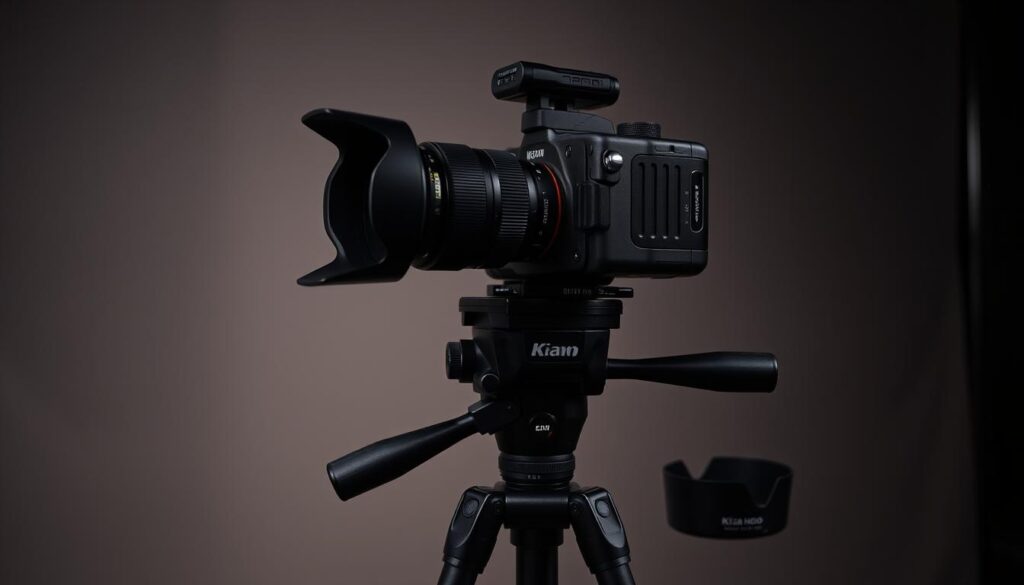
Learning the Effects of Quick Temperature Changes
Quick temperature changes can cause moisture to build up on your camera equipment. Knowing this is important to keep your gear in top shape. For tips on stopping dew from forming on telescopes, check out High Point Scientific. They offer great advice on managing dew and frost.
| Temperature Change | Effect on Equipment | Prevention Method |
|---|---|---|
| Rapid Cooling | Condensation on Lenses | Gradual Acclimation |
| Rapid Warming | Moisture Accumulation | Using Desiccants or Silica Gel |
By setting up your equipment at the right time and understanding temperature changes, you can lower the risk of dew and frost on your camera gear. This, along with proper care and maintenance, will help you take top-notch night shots every time.
Using Propane or Ethanol Heaters
Photographers shooting at night find propane or ethanol heaters useful. They help prevent dew and frost on camera gear. This is key in cold, humid places where moisture builds up fast.
Safety Guidelines for Using Heat Sources
It’s important to be safe when using these heaters. Make sure they sit on stable surfaces and are away from things that can catch fire. Never leave a heater on by itself. Good air flow is also key to avoid harmful fumes.
Positioning Heaters Appropriately
Where you put the heaters matters a lot. Place them near your camera to warm the air, but don’t let them get too close. This way, you avoid overheating your gear. Try different spots to find the best one for keeping dew and frost off.
Benefits of Heating Surroundings Slightly
Keeping the area a bit warmer has big advantages for night photography. It stops dew from forming on your equipment. This keeps your gear safe and helps you take better photos at night.
Using propane or ethanol heaters needs thought about safety, where to put them, and the benefits of a little warmth. By knowing and using these tips, you can keep your camera gear safe and enhance your night photography.
Experimenting with Timing in Photography
Timing is key in night photography. Playing with different exposure techniques can greatly enhance your photos. Learning to control timing helps you avoid dew and frost.
Long Exposures vs. Short Exposures
Choosing between long and short exposures changes your night photos. Long exposures let in more light, showing dark details. But, they might catch dew or frost. Short exposures let in less light, freezing moments and avoiding condensation.
Try different exposure times to find the best for your night shots. Longer exposures might need a tripod to avoid camera shake.
Understanding How Exposure Affects Condensation
Exposure times can affect condensation on your gear. Longer exposures can lead to more dew on your lens in humid weather. Keep an eye on temperature and humidity to adjust your settings.
Right camera settings and gear can reduce condensation. A lens hood or protective filter can help keep dew off your lens.
Techniques for Capturing Dew or Frost Creatively
Dew and frost can add a creative touch to your night photos. Try different angles and lights to capture them. Backlighting can make dew or frost stand out, creating a stunning effect.
Macro lenses can show the tiny details of dew or frost. This adds a special touch to your photos. Knowing how to use these elements can take your night photography to new heights.
Cleaning Lenses Before and After Shoots
To get amazing night shots, keeping your camera lenses clean is key. It’s important to clean your lenses before and after shooting. This helps keep your images sharp and prevents damage to your gear.
Simple Techniques for Cleaning
Begin by using a soft-bristled brush to remove loose debris from the lens. Next, use a microfiber cloth to wipe the lens in a circular motion. For a deeper clean, use lens cleaning solution and a tissue. Never use household cleaners or rough materials as they can scratch the lens.
When cleaning, check the lens for stubborn spots or smudges. Use a lens cleaning pen to gently remove them. Clean the lens in a well-lit area to spot dirt or smudges easily.
Importance of Clear Glass in Low Light
A clean lens is crucial for great images, even in low light. Any smudges or dirt can cause unwanted glare or flare in your photos. This can ruin a perfect shot.
- A clean lens ensures sharp and clear night shots.
- Dirt or smudges can lead to poor image quality.
- Regular cleaning helps your lens last longer.
By following these simple cleaning steps, you can keep your lenses in top shape. This way, your night photography will be of the highest quality.
Post-Shoot Care for Your Equipment
Proper care after a shoot is key to keeping your gear in top shape. After a night shoot, your camera might get wet. This can harm its performance and lifespan if not dried right.
Drying Equipment Efficiently
To dry your gear well, start by wiping it with a soft, dry cloth. This removes any moisture from the shoot. For deeper drying, use a desiccant or silica gel packets in your bag. Also, keep your camera bag open to let air in.
Checking for Moisture Accumulation
It’s important to check your gear for moisture often. Look for dampness or condensation on lenses, the camera body, and other parts. If you find moisture, use a microfiber cloth to clean it. For inside parts, a camera blower can remove debris and moisture safely.
Steps to Enhance Longevity of Your Gear
To make your gear last longer, follow these steps:
- Keep your equipment in a dry, cool spot, away from sunlight.
- Use weather-resistant bags or cases to shield it from the weather.
- Regularly clean and check your gear to avoid damage.
- Think about getting a camera maintenance kit with cleaning solutions and tools.
By taking these care steps, your camera gear will stay in great shape. It’ll be ready for your next night photography outing.
Learning from Experience
As you keep taking amazing night photos, think about what you’ve learned. Looking back at your night shoots can show you what works and what doesn’t. This helps you improve for the next time.
Analyzing Night Shoot Outcomes
When you look back at your night shoots, think about the conditions. Consider the time of night, the weather, and where you were. Ask yourself:
- What were the most challenging aspects of the shoot?
- How did the environmental conditions affect your equipment and image quality?
- Were there any unexpected issues that arose during the shoot?
Keeping a Night Shooting Journal
Keeping a journal of your night shoots is very helpful. Write down things like:
- The date, time, and location of the shoot
- The weather conditions and temperature
- The equipment used and any issues encountered
- The results of the shoot, including any notable successes or challenges
This will help you see how you’ve improved and what you need to work on.
Adjusting Techniques Based on Weather Patterns
Knowing how weather affects your night photos is key. For example:
- Clear skies may need you to adjust your exposure settings to avoid overexposure.
- Cloudy or foggy conditions can make your photos more interesting, but you might need to change your composition and lighting.
By learning from your past and adjusting your techniques, you can get better at night photography. This will help you take even more amazing photos.
Capturing great images during night photography sessions needs more than a good camera. You also need to know how to protect your gear from the weather.
When shooting in the cold, dew and frost can quickly ruin your lens. Preventing dew is key to keeping your optics clear and your photos sharp.
To keep your equipment in great shape, you must understand why moisture builds up. Then, take steps to reduce its impact. By following night photography tips and caring for your photography equipment, you can have successful outdoor photography sessions.
Being prepared and knowing how to protect your camera lets you focus on capturing the night’s beauty. You won’t have to worry about dew and frost damaging your equipment.
Understanding Dew and Frost Formation
Photographers need to know how dew and frost form to protect their gear at night. These conditions can affect your photos’ quality and your equipment’s function.
What Causes Dew and Frost at Night?
Dew and frost come from condensation. Moisture in the air turns into liquid when it gets cold. This happens when the air temperature drops to its dew point.
Key factors influencing dew and frost formation include:
- The temperature difference between day and night
- Humidity levels in the environment
- The presence of clear skies, allowing heat to escape
Environmental Factors Influencing Dew and Frost
Many things can affect dew and frost. These include where you are, the plants around you, and if there’s water nearby. Places near water usually have more humidity, leading to more dew and frost.
Knowing these factors helps photographers get ready for dew and frost.
The Role of Humidity in Night Shoots
Humidity is key in dew and frost formation. High humidity means more moisture in the air, leading to more dew or frost. Photographers should watch humidity levels before night shoots.
By understanding humidity’s role, photographers can protect their gear. This way, dew and frost won’t ruin their equipment or photos.
Timing Your Night Shoot to Avoid Dew
Timing is key for stunning night shots. It’s important to avoid dew and frost to keep your equipment in top shape. Knowing when to start, watching temperature changes, and using weather apps are key to a great night shoot.
Best Times to Start Your Shoot
The timing of your night shoot affects dew and frost on your gear. Start during the warmer parts of the night, like just after sunset or before dawn. This is when temperatures are higher.
Optimal Shooting Times:
| Time | Temperature Condition | Dew/Frost Likelihood |
|---|---|---|
| Just after sunset | Relatively warm | Low |
| Middle of the night | Cold | High |
| Before dawn | Relatively warmer than midnight | Moderate |
Monitoring Temperature Changes
Watching temperature changes is crucial for planning. A drop in temperature can cause dew or frost. Use a thermometer or weather app to stay ahead of moisture issues.
Tips for Monitoring Temperature:
- Check the weather forecast before heading out
- Use a portable thermometer to monitor the temperature at your shooting location
- Be aware of temperature fluctuations throughout the night
Using Weather Apps for Planning
Weather apps are great for planning night photography. They give forecasts, temperature trends, and humidity levels. This helps you choose the best times to shoot and protect your gear.
By choosing the right timing, watching temperature, and using weather apps, you can reduce dew and frost impact. This ensures sharper images and a better shooting experience.
Choosing the Right Location for Your Shoot
When planning a night shoot, picking the right location is key. The location can affect dew and frost on your camera. Knowing the area’s geography and how it affects dew and frost is important for great photos.
How Geography Affects Dew and Frost
The location’s geography greatly influences dew and frost. Places near big bodies of water, like lakes or oceans, have more humidity. This can lead to more dew. Valleys and low areas trap cold air, causing frost.
Coastal regions and areas with big height changes also affect dew and frost. For example, going up in elevation can lower dew risk because of less humidity.
Avoiding Low-Lying Areas
Low-lying areas get frost more because cold air gathers there. When planning your shoot, stay away from areas surrounded by hills or in valleys. Choose spots with a bit of elevation or gentle slopes instead.
- Find areas with good air flow to lower frost risk.
- Steer clear of depressions or dips where cold air settles.
Selecting Open vs. Covered Spaces
Choosing between open and covered spaces depends on your photography type and equipment. Open areas give a clear sky view but may expose your gear to dew and frost. Covered spots protect from the elements but might limit your shots.
Use a covered location if you’re in a humid or frosty area. But make sure the cover doesn’t block your view or cause harsh shadows.
Protecting Your Camera Gear from Moisture
When you go out for night photography, it’s key to keep your camera gear dry. Moisture can cause dew or frost on your lenses. This can harm your equipment or mess up your photos.
Essential Gear for Night Shoots
To keep your gear safe, get the right tools. You’ll need lens wipes, weather-resistant bags, and silica gel packets to soak up moisture. Lens wipes are crucial for keeping your lenses clean and dry. Also, think about using a camera cover or housing that can handle rough weather.
How to Use Lens Wipes Effectively
Using lens wipes right is a simple but important step. First, gently blow off any loose dirt from the lens. Then, clean the lens with a wipe in a circular motion, starting from the center and moving outwards. Make sure to use a clean wipe for each lens to avoid spreading dirt.
Storing Gear in Weather-Resistant Bags
Keep your camera gear in weather-resistant bags when you’re not using it. These bags keep the inside dry, even when it’s wet outside. Look for bags that are waterproof and consider adding silica gel packets to absorb any moisture.
| Protection Method | Description | Benefits |
|---|---|---|
| Lens Wipes | Cleaning lenses with specialized wipes | Prevents moisture and debris damage |
| Weather-Resistant Bags | Storing gear in moisture-proof bags | Keeps equipment dry in damp conditions |
| Silica Gel Packets | Absorbing moisture within storage | Reduces risk of moisture accumulation |
Camera Gear Protection and Dew Prevention
When you’re out capturing stunning images, protecting your camera gear is crucial. Not only does it safeguard your equipment, but it also helps prevent dew and frost from forming on your lenses. This can be a major issue, as it can lead to foggy or hazy photos that detract from the overall quality of your shots.
One effective solution is to use a lens hood. A lens hood is a protective accessory that fits over the front of your lens, helping to block moisture and prevent dew from forming. It also serves as a barrier against harsh sunlight, reducing the risk of flare and ghosting in your images.
Another option is to invest in a rain cover or rain sleeve. These covers are designed to fit over your camera body and lens, providing an extra layer of protection against rain, snow, and even dust. They are perfect for capturing photos in wet or windy conditions, ensuring that your camera remains dry and functional.
When it comes to dew prevention, there are a few additional tips you can follow. One is to avoid using a lens cloth that may leave streaks or residue on your lenses. Instead, opt for a microfiber cloth that is gentle on your glass and won’t leave any marks or streaks.
Another tip is to store your camera in a dry environment when not in use. This can help prevent moisture from accumulating on your lenses and causing dew to form. If you’re shooting in humid conditions, consider using a desiccant pack or silica gel packets to absorb any excess moisture in the air.
By taking these precautions and using the right camera gear protection, you can ensure that your lenses remain dew-free and your photos remain crisp and clear. Whether you’re capturing stunning landscapes or intimate portraits, protecting your camera gear is essential for achieving the best results.
Benefits of Camera Gear Protection:
- Prevents dew and frost from forming on lenses
- Protects against harsh sunlight and reduces flare and ghosting
- Provides an extra layer of protection against rain, snow, and dust
- Helps maintain the quality and clarity of your photos
Timing Your Equipment Setup
Setting up your camera for a night shoot needs careful timing. Dew and frost can ruin your photos if they form on your lenses. The cold and damp air at night can cause moisture to build up.
Allowing Gear to Adjust to Ambient Temperature
Letting your camera gear adjust to the air temperature is a smart move. This process, called “acclimation,” lowers the chance of dew and frost. To acclimate, take your gear outside and let it sit for 30 minutes to an hour before shooting.
This lets your equipment match the air temperature. This way, it’s less likely to get wet.
Learning the Effects of Quick Temperature Changes
Fast temperature changes can harm your camera, more so at night. When it gets cold quickly, the air can get too wet. This can make your gear wet.
Knowing how to handle these changes is key. For example, if it’s cold, don’t move your gear from a warm place to the cold. Let it cool down slowly to avoid getting wet.
| Temperature Change | Effect on Equipment | Prevention Method |
|---|---|---|
| Rapid Cooling | Condensation on lenses and gear | Gradual acclimation to cold temperatures |
| Rapid Warming | Moisture accumulation on equipment | Using weather-resistant bags or covers |
Understanding quick temperature changes helps keep your gear dry at night. By acclimating your equipment, you can avoid dew and frost. This keeps your gear working well for your photos.
Using Propane or Ethanol Heaters
Using propane or ethanol heaters can change the game for night photography. They help prevent dew and frost on your camera gear. This is very useful in cold and humid weather, keeping your equipment quality high and shots clear.
Safety Guidelines for Using Heat Sources
It’s important to follow safety rules when using these heaters. This prevents accidents and keeps your camera gear in good shape. Always put heaters on stable surfaces, away from things that can catch fire. Never leave them alone.
- Ensure proper ventilation to avoid carbon monoxide buildup.
- Keep heaters at a safe distance from your camera gear to prevent overheating.
- Follow the manufacturer’s instructions for usage and maintenance.
Positioning Heaters Appropriately
Where you place heaters is key to their effectiveness. Position them so they warm the air around, not your camera gear directly. This stops dew and frost from forming.
Benefits of Heating Surroundings Slightly
Heating the area slightly has many benefits for night photography. It prevents dew and frost and keeps your camera warm. This makes it easier to use.
| Benefits | Description |
|---|---|
| Prevents Dew and Frost | Keeps camera lenses and equipment dry and clear |
| Maintains Equipment Performance | Ensures that camera gear operates smoothly in cold conditions |
| Enhances Shooting Experience | Allows for more comfortable and longer shooting sessions |
Experimenting with Timing in Photography
Timing is everything when you’re taking photos at night. The right timing can make your night shots truly stunning. By playing with timing, you can improve your photos and keep your camera gear dry.
Long Exposures vs. Short Exposures
Exposure time is key in night photography. Long exposures let in more light, showing dark details. Short exposures freeze moments and reduce camera shake. But, long exposures might lead to dew on your lens.
Benefits of Long Exposures:
- Capture more light in low-light conditions
- Reveal details that are hard to see
- Create cool effects like star trails
Benefits of Short Exposures:
- Less camera shake and blur
- Sharp images of moving subjects
- Less dew on your lens
Understanding How Exposure Affects Condensation
How long you expose your camera can affect dew on your lens. Longer exposures might cool your lens, causing dew or frost. Knowing this can help you avoid these problems.
| Exposure Type | Effect on Condensation | Best Use Scenario |
|---|---|---|
| Long Exposure | Increased risk of condensation | Capturing low-light details, artistic effects |
| Short Exposure | Reduced risk of condensation | Freezing motion, reducing camera shake |
Techniques for Capturing Dew or Frost Creatively
Dew and frost can add a unique touch to your night photos. By trying different angles and setups, you can make these elements stand out.
Tips for Capturing Dew or Frost:
- Find scenes where dew or frost adds to the mood
- Use close-ups to show off dew or frost details
- Try different lights to highlight these elements
Cleaning Lenses Before and After Shoots
Keeping your camera lenses clean is key for great night photos. Dust, dew, and frost can ruin your shots. So, cleaning your lenses often is a must.
Effective Lens Cleaning Techniques
To clean your lenses well, use a soft-bristled brush or a microfiber cloth. For a deeper clean, put a few drops of lens cleaning solution on the cloth. Then, wipe the lens in a circular motion. Don’t use harsh chemicals or rough materials that can harm the lens coating.
Importance of Clear Glass in Low Light Conditions
In dim light, a clean lens is crucial for clear images. Any smudges or dirt can lower image quality. This makes it hard to get the look you want.
Regularly cleaning your lenses before and after shoots keeps your camera ready. This simple step helps protect your gear and makes your night photos better. It’s a small detail that makes a big difference in your photos.